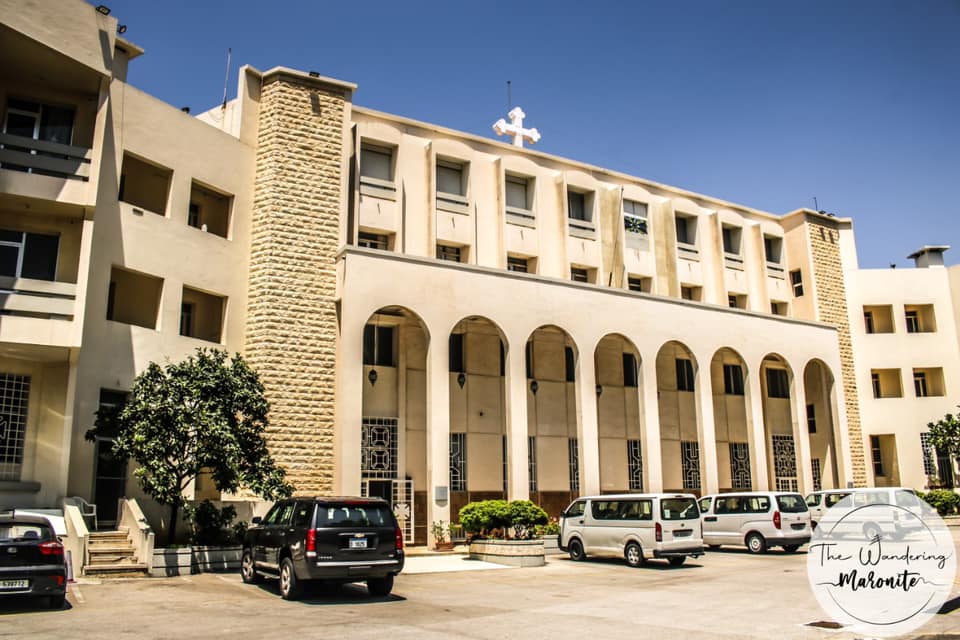
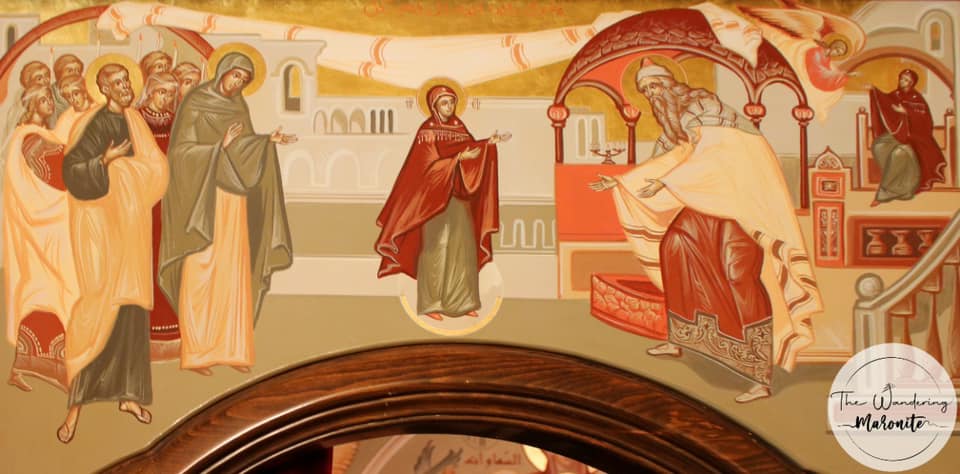
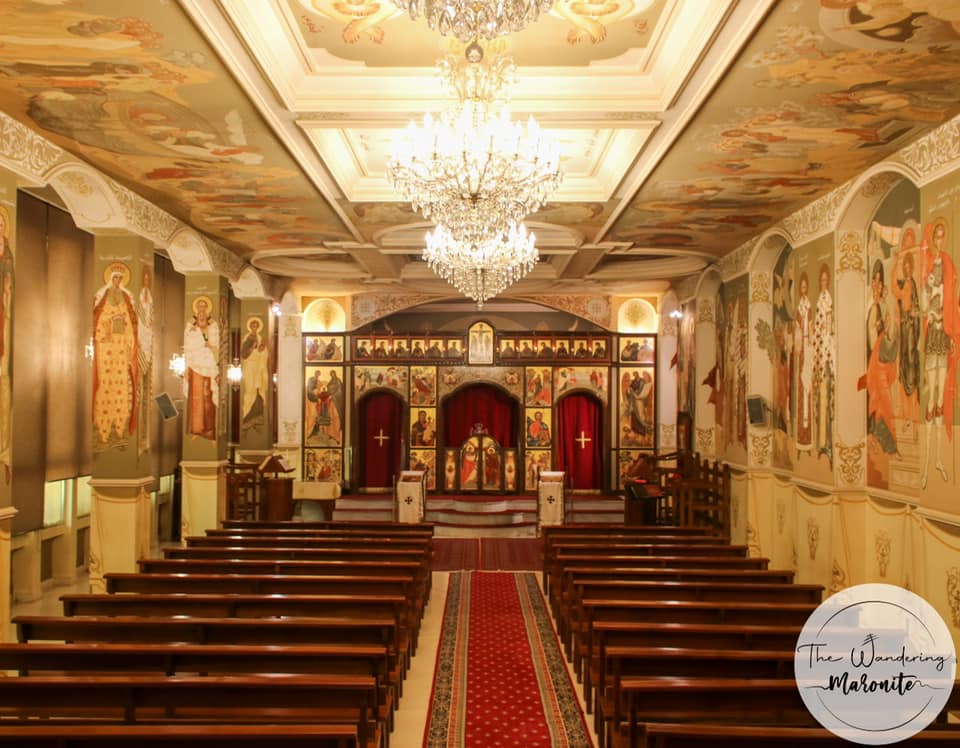
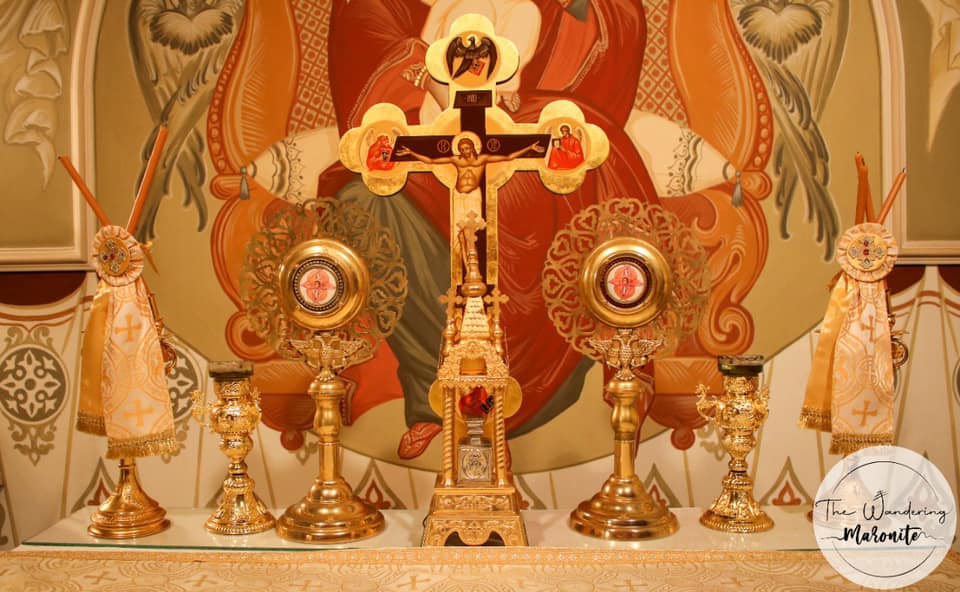
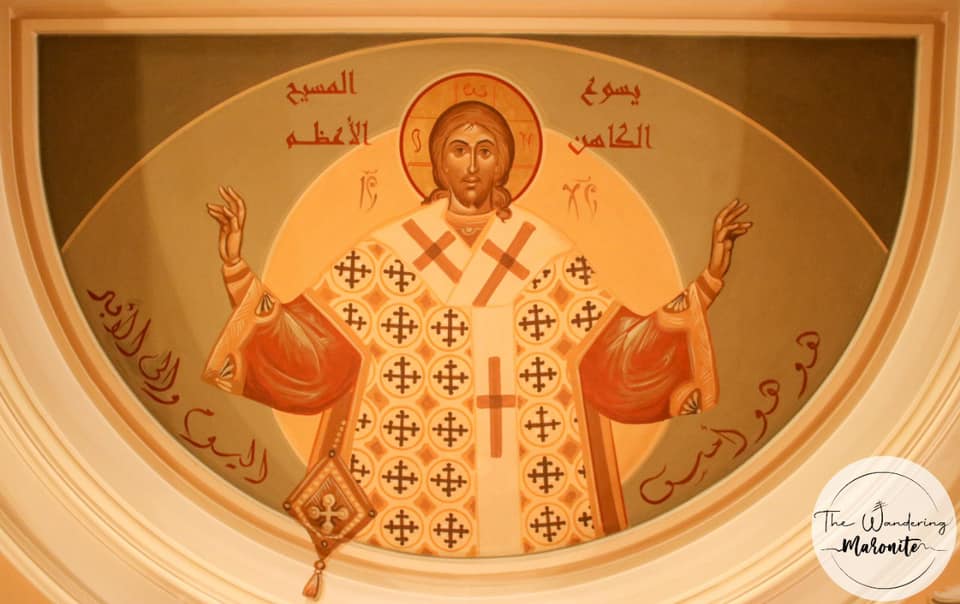
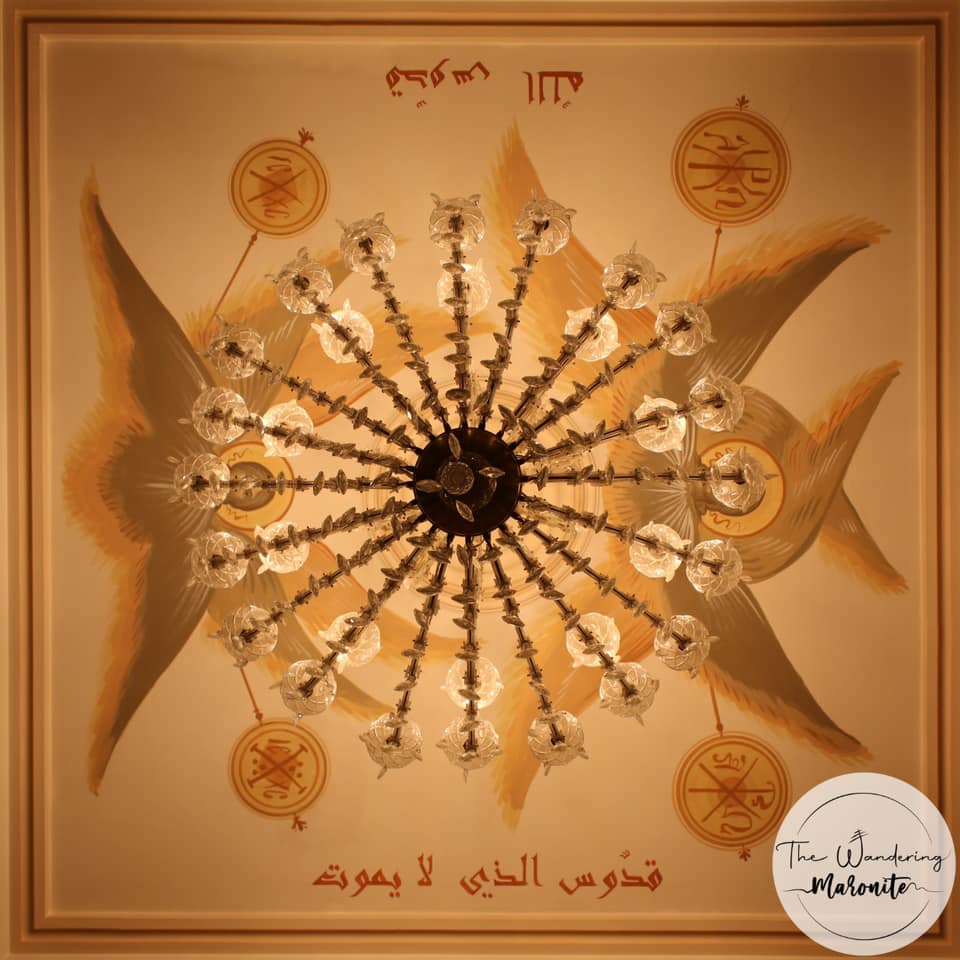
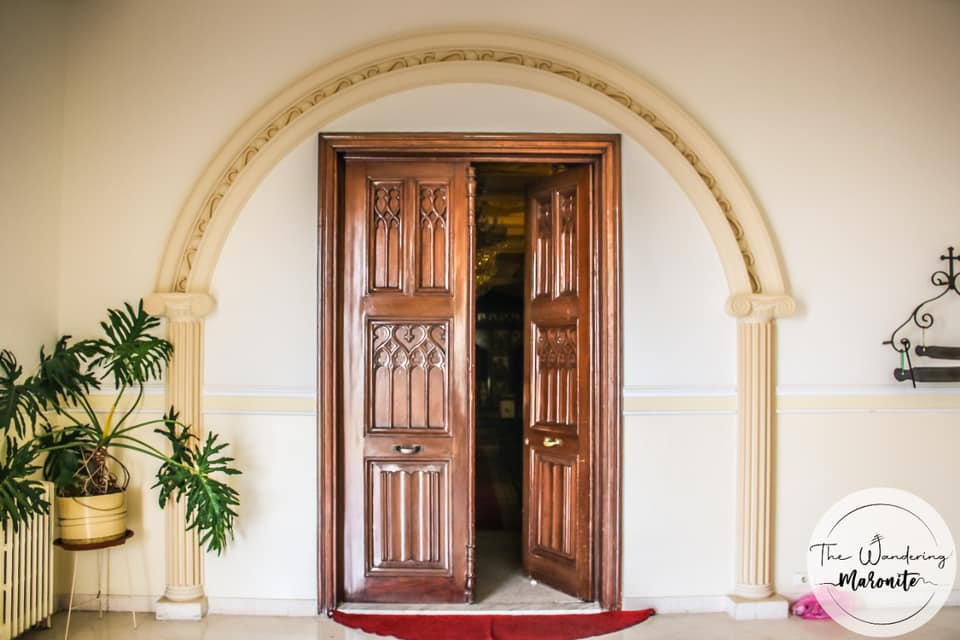
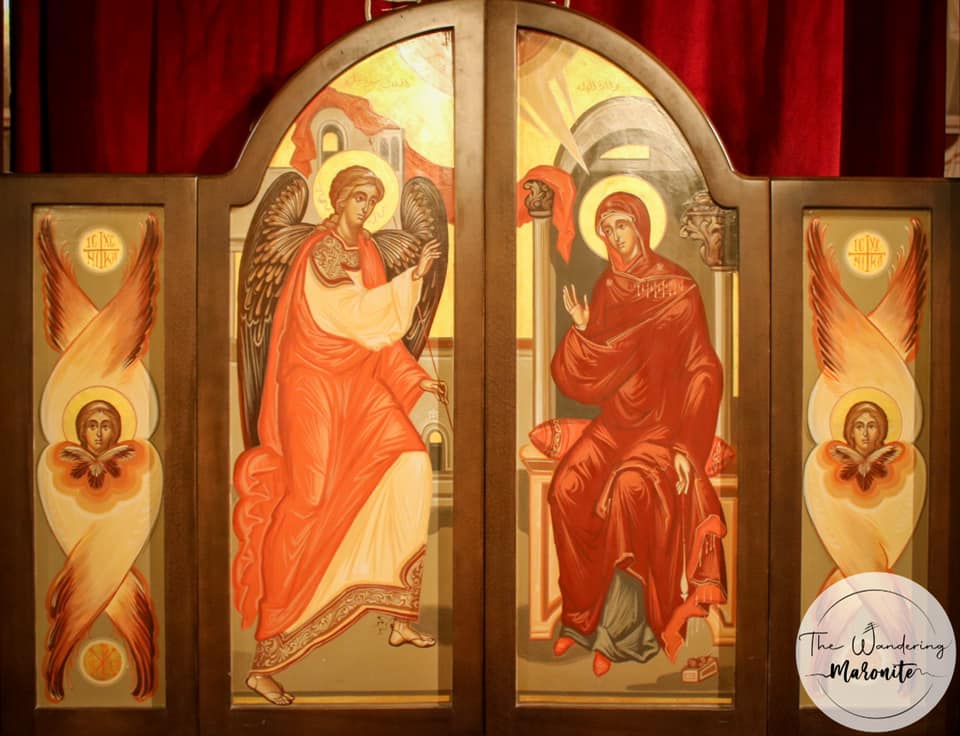
الكرسيّ البطريركيّ للروم الملكيّين الكاثوليك - الربوةبُني المقرّ البطريركيّ في الربوة سنة ١٩٧٦ على عهد البطريرك مكسيموس الخامس حكيم. داخل المقرّ كابيلا على اسم القدّيسة حنّة جدّة الإله، والمُميّز في هذه الكنيسة أنّها تحفة فنيّة مكسوّة بالكامل بجداريّات تمثّل مواضيع كتابيّة جمّة وأيقونات قدّيسين. الجداريّات من عمل الإيقونوغرافيّ الرومانيّ كوستيل ميسو سنة ٢٠٠٢.The Patriarchal residence of the Greek Melkite Catholics - RabweThe Patriarchal residence was built in Rabwe in 1976 during the pontificate of Patriarch Maximos V Hakim. Inside the residence lies a chapel dedicated to St Anne, the grandmother of the Lord, which is completely covered with frescoes. The church is the masterpeice of the Romanian iconograpger Costel Micu in 2002. The frescoes represent various biblical scenes and icons of saints.
Saint Jacob Monastery (Couvent Saint Jacques), Karm Saddeh, Lebanon
دير مار يعقوب وكنيسة مار أنطونيوس البادوانيّ
Karm Saddeh
Zgharta
North
دير مار يعقوب وكنيسة مار أنطونيوس البادوانيّ – كرم سدّه
الدير كان قديمًا هيكلًا وثنيًّا رومانيًّا. تاريخ البناء الأوّل مجهول. سكنه اليعاقبة وتركوه في القرن الخامس عشر فأصبح خرابًا. جدّده عام ١٨٣٧ المطران بولس موسى رئيس أساقفة طرابلس لجعله كرسيًّا أسقفيًّا ومدرسة إكليركيّة لـمار أنطونيوس البادوانيّ، الذي على اسمه شُيّدت الكنيسة. عام ١٨٨٤ شيّد المطران إسطفان عواد الجهة الشرقية وجدّد عام ١٨٧٩ الإكليركيّة. عام ١٩١٢ وسّعه المطران أنطون عريضة، لكنّ الإكليريكيّة أغلقت أبوابها مع الحرب العالميّة الأولى إلى أن عادت لتفتح أبوابها سنة ١٩١٩. زارها عام ١٩٢٠ المفوّض السامي الفرنسي الجنرال غورو . شيّد المطران أنطون عبد عام ١٩٦٠ قسمًا جديدًا من الدير، وعام ١٩٩٦ بُني البناء الجديد. ضمّ هذا البناء سنة ١٩٩٨ كليّة العلوم اللاهوتية والدراسات الرعائية في الجامعة الأنطونيّة، بسعي المطران يوحنّا فؤاد الحاج.
Saint Jacob Monastery and Saint Anthony Padua Church - Karm Saddeh
The monastery was originally an ancient Roman pagan structure. The exact date of its initial construction is unknown. It was inhabited by the Jacobites and abandoned in the 15th century, falling into ruins. It was renovated in 1837 by Archbishop Paul Moussa, the head of the Archdiocese of Tripoli, to serve as an episcopal see and a seminary for Saint Anthony Padua, after whom the church was named. In 1884, Archbishop Estephan Awwad constructed the eastern side and renovated the seminary in 1879. In 1912, Archbishop Antoine Arida expanded it further, but the seminary closed its doors during World War I and reopened in 1919. It was visited by the French High Commissioner General Gouraud in 1920. Archbishop Antoine Abed built a new section of the monastery in 1960, and in 1996, a new building was constructed, which included the Faculty of Theology and Pastoral Studies at Antonine University, under the guidance of Archbishop Youhanna Fouad El-Hage.
Monastery of Saint Anthony the Great Zahleh Lebanese maronite order (saint antoine le grand), Zahlé, Lebanon
دير مار أنطونيوس الكبير
Zahlé Mar Antonios
Zahle
Bekaa
دير مار أنطونيوس الكبير - زحلة
تأسّس الدير في عام 1771 من قِبل مجموعة من الرهبان الموارنة الذين كانوا يسعون إلى إنشاء مكان للعبادة ل في قلب مدينة زحلة لخدمة المجتمع المارونيّ المحلي. نما دير القديس أنطونيوس على مرّ القرون في الحجم والأهميّة وأصبح مركزًا للعلم والروحانيّة. ورغم تعرّضه للحروب والغزوات والزلازل، إلّا أنه تم إعادة بنائه وترميمه عدة مرّات. تُعدّ كنيسة القديس أنطونيوس نقطة المحور في الدير، حيث تم بناؤها في منتصف القرن العشرين فوق الكنيسة الأصلية. ويتميّز الداخل بلوحات جداريّة رائعة ونوافذ زجاجية ملونة برسوم الفنان اللبناني أسعد رنّو. في الكنيسة مقام جانبي صغير مخصص للقديسة تيريزا. تشتهر مكتبة الدير كذلك بمجموعتها الضخمة من الكتب والمخطوطات والتحف القديمة. وبشكل عام، يُعدّ دير القديس أنطونيوس موقعًا ثقافيًا وروحيًا مهمًّا في زحلة، له تراث غنيّ يجذب الزوار من جميع أنحاء العالم.
The monastery of St. Anthony the great - Zahle
The monastery was established in 1771 by a group of Maronite monks with the intention of creating a place of worship and reflection for the local Maronite community in Zahle. Throughout the years, it has grown in both size and significance, developing into a hub for learning and spirituality. Despite experiencing wars, invasions, and earthquakes, the monastery has been reconstructed and renovated multiple times. The focal point of the monastery is the church of St. Anthony, which was built in the mid XXth century over the original church. The interior is decorated with stunning frescoes, stained glass windows created by the Lebanese artist Assaad Renno, and intricate altars. The church has a small lateral chapel dedicated to St. Therese of Lisieux. Another noteworthy feature of the monastery is its library, which houses an extensive collection of books, manuscripts, and ancient artifacts. Overall, the monastery is a significant cultural and spiritual site in Zahle, Lebanon, with a rich heritage that continues to attract visitors from all over the world.



Reviews are disabled, but trackbacks and pingbacks are open.